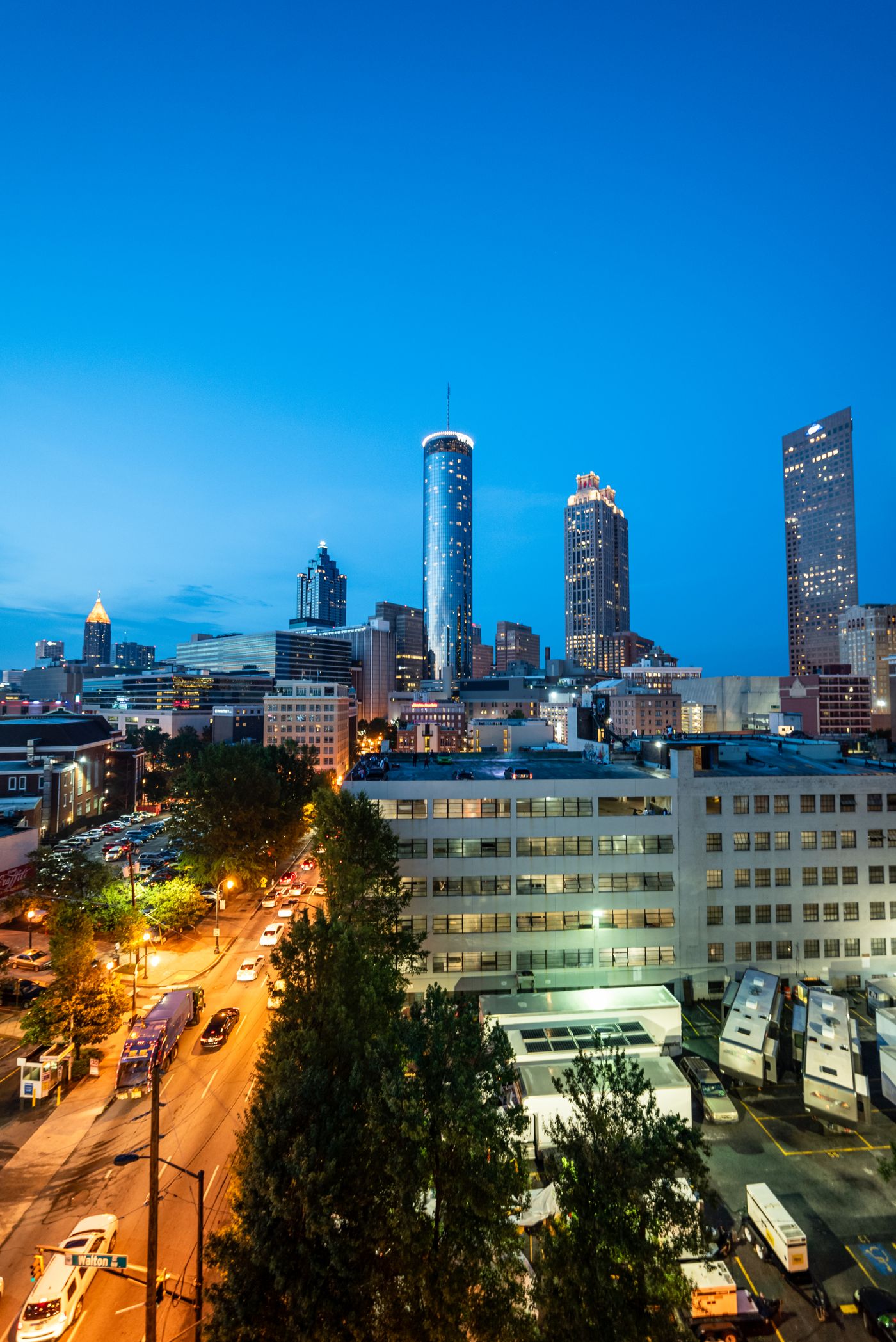
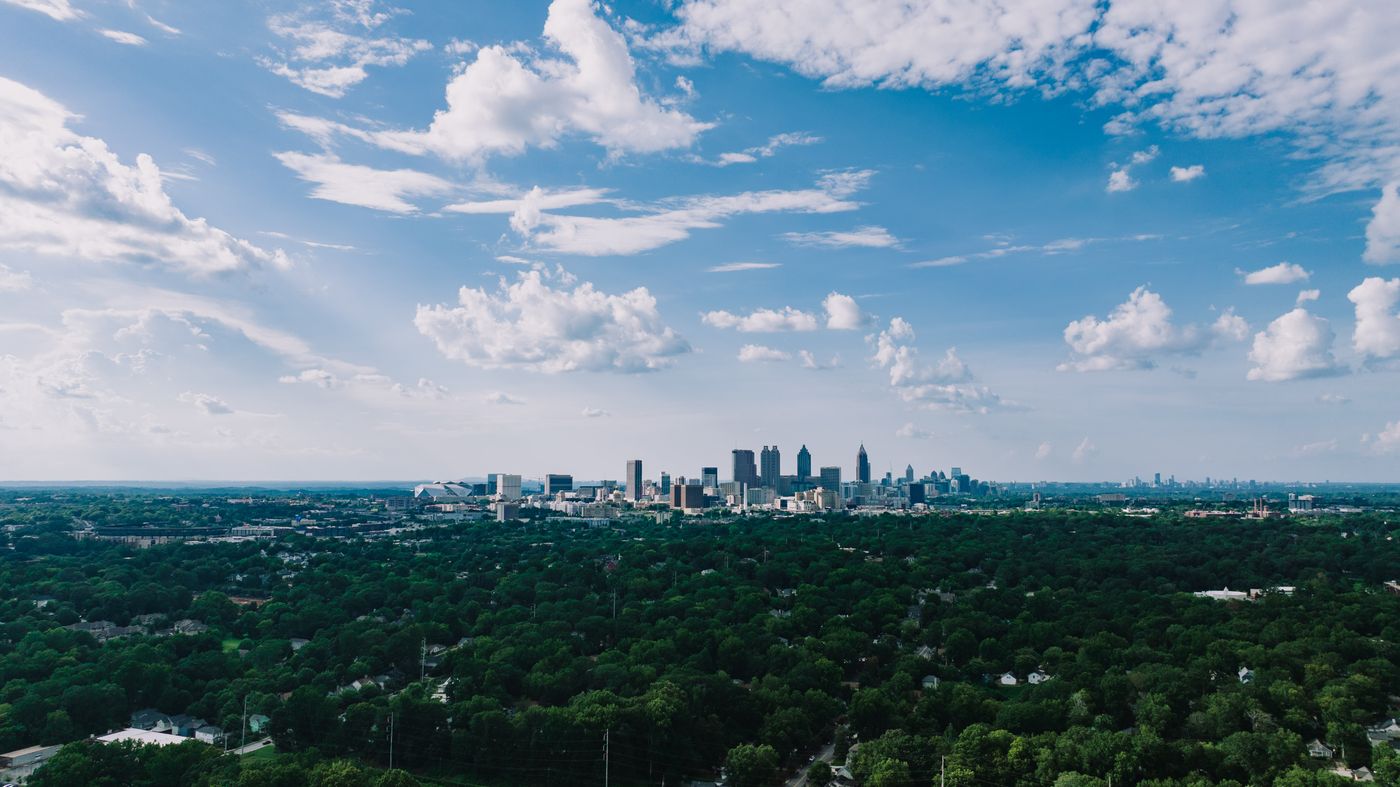
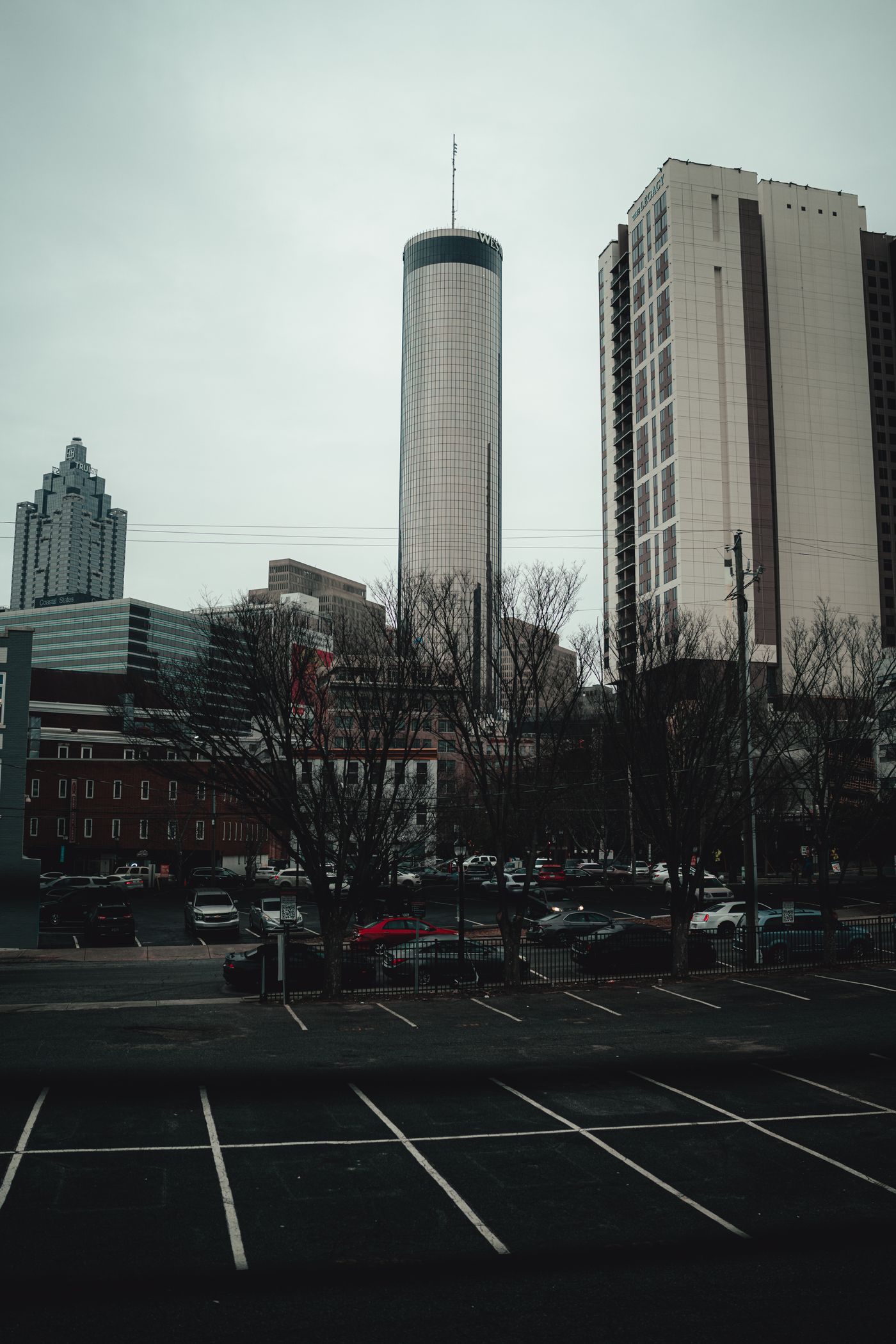
Atlanta hosted the 1996 Games and the city has been arguing about the bill ever since. Some of that argument is easy to see on foot, and some of it is buried under a ballpark and a parking deck. This piece is a ledger, not a celebration. It sets out what the Games actually built, where the accounting goes negative, and which parts of it you can still stand in front of today without pretending the whole thing was a gift.
What the Games actually built
Start with the obvious survivor. Centennial Olympic Park exists because the Games happened, and it is the single piece of 1996 infrastructure that most residents now treat as ordinary city fabric rather than Olympic leftovers. It works as a park. It hosts concerts, it has lawns and water, and it sits close enough to the hotel core that a visitor can reach it without planning a trip. That matters when you are counting what the Games left behind, because a park is the rare Olympic investment that keeps paying without needing a ticket bought or a team winning.
The second survivor is stranger. The old Olympic Stadium did not stay a stadium. It was reconfigured into a ballpark, and the site now carries a different sport and a different name. What a visitor can see there is not a monument to 1996. It is a working venue with Olympic bones, which is a more honest outcome than a decaying shell kept open for photographs. If you want to understand how Atlanta treated its own Games, that conversion tells you more than any plaque does. The city kept the land in use.
The third thing the Games built is harder to photograph. The downtown hotel blocks, the MARTA spine through Five Points, and the concentration of rooms and trains around the old venue are all part of the same 1996 logic. The Games needed beds and they needed movement, and the city organised both around a compact core. That compact core is why a first-time visitor can land, take a train, and walk to most of what this list describes. The transit came first as Olympic logistics. It stayed as ordinary infrastructure.
The fourth item is memory itself, and it is thinner than the concrete. The rings and signage that remain are scattered and modest. You will not find a single grand Olympic district, because Atlanta never built one. It built a park, a stadium, and a transit pattern, then let the rest dissolve into the city. That is the shape of the legacy. Spread out, practical, and easy to miss unless you know what you are looking at. The Games did not leave a monument. They left a set of working parts.
The stops on the 1996 trail
Where the ledger goes negative
The bill is not settled by pointing at a park. The Games cleared neighbourhoods, and Summerhill and the blocks around the old stadium are where that cost is most visible in the present day. The piece cannot tell you what a specific household lost, because that is not recorded in any published figure you can check from a desk. What it can tell you is that the clearing happened, that the rebuilt streets are newer than the surrounding city, and that the newness is the evidence. Walk the grid and the age of the buildings tells the story before any sign does.
The second problem is that the legacy is uneven in a way that flatters the visitor. A park is free. A ballpark is a private venue with its own calendar and its own rules. The neighbourhoods that were cleared do not have an entrance fee, because they are not attractions. If you treat this list as a trail of sights, you will spend your time at the pleasant end and skip the part that explains the argument. The honest version requires you to look at ordinary streets and accept that they are part of the subject, not scenery between the stops.
The third problem is access. The MARTA stops near the trail are real and useful, but the trail itself is not a single walkable line, and this piece cannot give you a walking time or a route that holds on every day of the year. Closures, events, and construction move week to week and this page does not print anything that shifts like that. Check the venue's own page for your date, and check the transit operator's own page for service changes. If you need a fixed itinerary handed to you, this subject will frustrate you.
The fourth problem is who this does not suit. It does not suit anyone who wants a celebratory Olympic tour with a clear start and finish. It does not suit travellers who need step-free certainty at every stop, because the older downtown blocks and the neighbourhood streets are not uniform and this page cannot promise a route. It does not suit a short trip built around one famous photograph. If you have half a day and no interest in civic argument, spend it on the park and the civil rights sites and leave the ledger for a longer stay.
How to see it honestly
Treat the park as the anchor and the rest as context. A first-time visitor should base themselves where the trains converge, because the subject is spread across downtown, Summerhill, and the Auburn Avenue corridor, and you will move between them more than once. Five Points is the obvious hub. If you want a quieter night and do not mind a longer walk to a platform, the warehouse blocks southwest of the stadiums are cheaper and calmer on a non-event night, but you trade convenience for atmosphere and you should know that going in.
Do the civil rights sites on the same trip, not as a separate day. Auburn Avenue and the King Center sit close enough to the Olympic geography that the two stories overlap, and seeing them apart makes both weaker. The Games happened in a city with a civil rights history that predates them and outlasts them, and the clearing of neighbourhoods in 1996 is part of that longer record. If you visit the park without the churches and the historic blocks, you get the surface. The deeper reading needs both halves of the city in the same afternoon.
Give the ballpark site its own slot and check its calendar before you build a day around it. It is a working venue, so access depends on what is happening inside, and this page does not print event dates or hours. Look at the venue's own page for your date and plan the rest of the walk around that constraint. The same applies to guided Olympic history walks. Operators change schedules and routes, so confirm with the operator directly rather than assuming a fixed departure exists on the day you arrive.
Finally, decide what you are actually there to see. If you want a pleasant downtown afternoon, the park and the transit core deliver it. If you want the honest ledger, you have to walk the rebuilt streets, read the plaques that exist, and accept that the missing ones are part of the finding. Keep your expectations at the level of a city that made a large bet and is still arguing about it. That argument is the attraction. Everything else is concrete, and concrete is easier to find than agreement.
This page is compiled from the venue's or the operator's published information and the site's own neighbourhood checks, not from a visit. Prices, hours, and anything that moves week to week, including schedules and access, are not printed here; check the venue's own page for your date. One thing about this subject that cannot be measured from a desk is what the cleared neighbourhoods meant to the people who lived there, and no figure on this page substitutes for that. Nothing here is paid placement.
Read the method ↗