Atlanta's night is not one thing. It is a rail line that stops earlier than you expect, four neighbourhoods with different closing habits, and a set of walks you either commit to or avoid. This page sets out where the evening actually is, which mistakes cost people an hour or a taxi fare, how to get home, and what the whole thing asks of you before you leave the flat.
Four neighbourhoods for the night
Atlanta's night is spread across four neighbourhoods, and each one behaves differently after dark. Midtown is the default because two rail stations and the park sit close together, so you can move between bars and food without a car. Poncey-Highland is the opposite: no rail, but the walk between the Clermont and Ponce City Market is short and flat, so the evening stays on foot. Little Five Points is loud and late, with the Variety Playhouse pulling crowds who then spill onto the street. West Midtown has the densest good eating but no train, so the night ends when you decide to call a ride. The rows below set out each one.
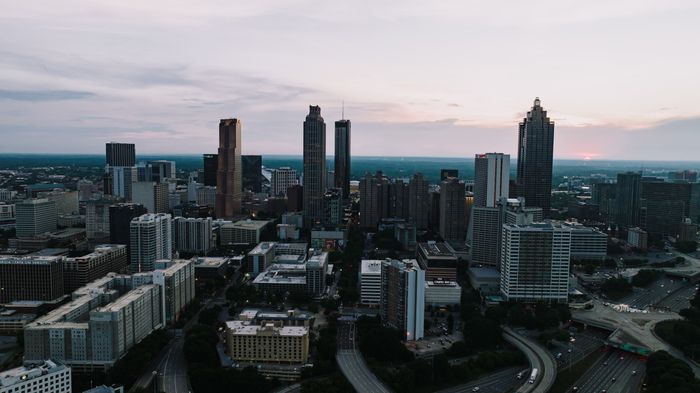
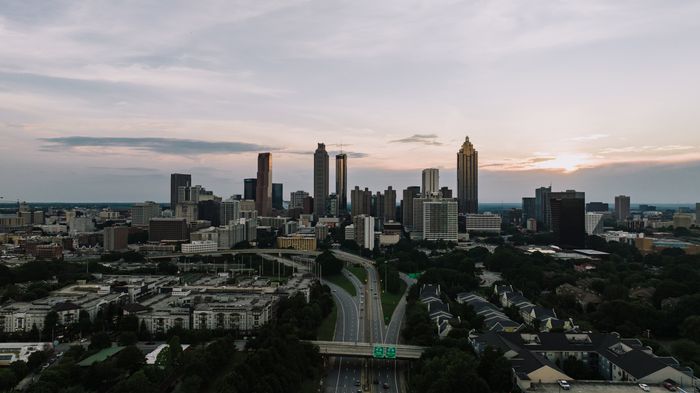
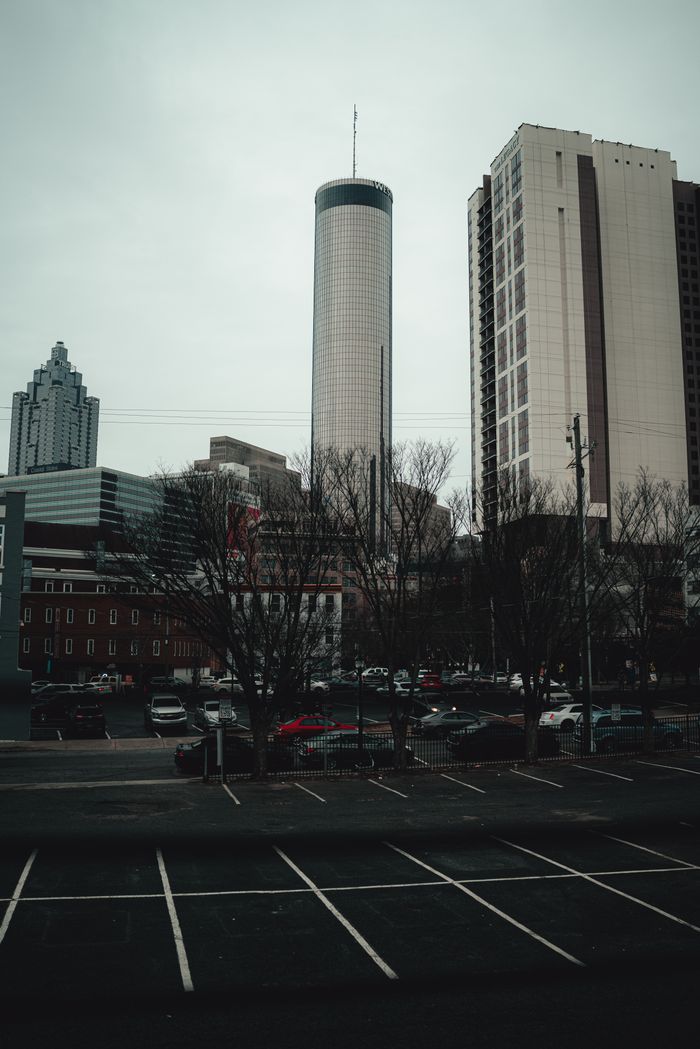
The difference between these four is not the quality of the bars. It is the shape of the evening. In Midtown you can start at one station and end at another, which means the night can drift north or south without a plan. In Poncey-Highland and Little Five Points the evening is a loop: you arrive, you stay in a small area, and you leave the same way you came. West Midtown is a single stretch of road where the food is the point, and the night ends when you stop walking. That structural difference matters more than any individual venue.
Pick your neighbourhood by how you want to end the night, not by what you want to drink. If you want the option of a train home, Midtown is the only one of the four where that is genuinely simple. If you want to walk everywhere and never think about a platform, Poncey-Highland is the strongest choice. If you want volume and late noise, Little Five Points delivers that. If you want to eat well and accept a ride at the end, West Midtown is the one. Decide that first, then the venue list becomes easy.
What people get wrong after dark
The first mistake is treating the rail as an all-night service. It is not. MARTA runs later on Friday and Saturday nights than on a Sunday, and the last trains leave earlier than most visitors assume. If you build your evening around a train that will not be there, you are not stranded, but you are paying for a ride you did not plan. The second mistake is booking a base for its daytime appeal. A hotel near a market or a park can be excellent at noon and awkward at midnight, because the walk back is longer than it looked on the map. The third is leaving the venue decision to the queue. Atlanta's good rooms fill early, and standing outside deciding where to go next is how an evening loses an hour. The rows below set out each one.
Treating the rail as an all-night service. It is not. Service runs later on Friday and Saturday nights than on a Sunday, and the pattern is the thing to plan around. Check MARTA's own page for the night you are out. Miss the last run and you are pricing a rideshare across town.
Booking a base for its daytime appeal. West Midtown and Poncey-Highland have no rail station. That is fine if you plan to walk or split a car, and awkward if you assumed a train. Match the neighbourhood to how you intend to move after midnight, not to what looks good at noon.
Leaving the venue decision to the queue. Popular rooms fill early on a weekend, and a group that drifts between neighbourhoods spends the night in transit instead. Pick the neighbourhood first, then the venue. One part of town, one plan, and the evening holds together.
The rail mistake is the expensive one because it changes the end of the night. You finish dinner in West Midtown, you assume a train, and you discover the nearest station is a bus ride away. The base mistake is subtler: the neighbourhood you chose for its coffee is the one with no rail and a long walk home. The queue mistake is the most common. People arrive at a bar, see a line, and drift to a second choice that is worse, then a third, and the night becomes a tour of doorways. None of these are disasters. They are just the difference between a night that flows and a night you spend managing.
You can avoid all three with one decision made before you leave. Choose the neighbourhood that matches how you want to get home, then choose one anchor venue and let the rest of the night happen around it. Do not treat the rail as a fallback unless you have checked that it runs when you need it. Do not book a base because it looks good in daylight. Do not stand in a queue deciding. If you settle the neighbourhood and the first venue, the rest of the evening is flexible without being chaotic. That is the whole trick, and it costs nothing but a few minutes of planning.
How late the rail runs, and getting home
MARTA has four lines and one interchange at Five Points, where the Red, Gold, Blue, and Green lines meet. Service runs later on Friday and Saturday nights than on a Sunday, but the pattern is not the same all week. The last trains of the night leave earlier than most visitors expect, and the gap between the final train and the end of the night is where the problems happen. This site does not print last-train times because they move with the season and the schedule. Check MARTA's own page for the night you are travelling. That is the only reliable source, and it takes a minute.
The walk home is the thing to decide before you go out, not after the last bar. In Midtown, the walk from the stations to the park and the trail is short and lit, and the streets stay active. In Poncey-Highland, the walk between the Clermont and Ponce City Market is the easiest in the city, but the edges of the neighbourhood thin out quickly. In Little Five Points, the main corner is loud and busy, and the side streets are quieter. In West Midtown, the walk between venues is fine but the walk to a rail station is not a walk at all. Decide which of those you are doing while you are still sober.
If you are relying on the train, plan the night around the station you will leave from, not the one you arrived at. Five Points is the interchange, so a journey that crosses the city usually means changing there, and the last connection is the one that catches people. If you are not on the rail, settle the ride before the second bar, while the evening is still under control. Do not wait until the venue closes and fifty people are doing the same thing. The pattern is simple: check MARTA's own page for the night, know your station, and decide the walk home before you order the first drink.
What a night out costs you in planning
A night out in Atlanta costs you almost nothing in money that you cannot check, and a fair amount in decisions. The decisions are these: which base you can walk home to, which one needs a ride, and what you settle before the second bar. Midtown is the only neighbourhood of the four where you can reasonably walk home to a rail station at the end of the night. Poncey-Highland is the best walking base if you are staying in it, because the trail and the market keep the streets active, but it has no rail. Little Five Points is walkable within itself and a short ride from Inman Park station. West Midtown needs a ride, full stop.
That difference is what you are actually choosing between. If you stay in Midtown, you can treat the train as a real option and keep the evening flexible. If you stay in Poncey-Highland, you are committing to a small area and a walk, which is a fine trade. If you stay in Little Five Points, you get the loudest night and a short ride to the rail. If you stay in West Midtown, you get the best eating and a taxi at the end. None of these is wrong. They are just different shapes, and the shape determines how much of the night you spend thinking about logistics rather than enjoying it.
Settle two things before the second bar: the station you will leave from, and the ride you will take if the train is gone. In Midtown that is easy. In West Midtown it is essential. In Poncey-Highland and Little Five Points it is a short conversation that saves an hour. The venue choice is the fun part and it can stay loose. The route home is the part that punishes improvisation, so do it early, while everyone is still in a good mood and the phone battery is full. That is the planning cost of an Atlanta night, and it is small if you pay it up front.
This page is compiled from the operators' published information and our own neighbourhood checks. It is not written from a night out. Last-train times and prices are deliberately not printed because they move, and a figure that is wrong is worse than no figure. One thing about an Atlanta night cannot be judged from a desk: how the city feels at the end of it, and whether the walk home is comfortable at that hour. That is why we say decide the route before you go. Nothing here is paid placement.
Read the method ↗